
-
-
Students mustView
Show More-
In order to be able to complete the activities and quizzes in this course, and receive a certification of completion, you must create an account and enroll in the course. You only need to create an account once, after which you can enroll in as many courses as you like. Click here to create an account.
-
Postnatal Care
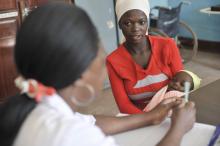
The first hours and days after childbirth are the most vulnerable period for both mothers and newborns. Quality postnatal care can reduce these risks and set the foundation for lifelong development and well-being. This course will introduce learners to the unique components of this critical window of opportunity, the evidence-based services and support care recommended during this time period, and key postnatal care programming and policy implications.
Objective
By the end of this course, learners will be able to:
- Define the postnatal period
- Review the significance of this time,
- Examine the specific vulnerabilities mothers and newborns face in the postnatal window
- Describe the status of postnatal care coverage globally, major gaps and inequities that exist, and some of the global initiatives aimed at improving outcomes worldwide
- Identify the optimal timing, number, and content of postnatal care contacts
- Describe facility- and community- based postnatal care services
- Define quality of care and list the factors that promote quality
- Name key postnatal care indicators and common measurement tools
Credits
The following individuals are greatly appreciated for their invaluable support and expertise in developing this course:
- Jeniece Alvey
- Neelam Bhardwaj
- Tedbabe Degefie Hailegebriel
- Kathleen Hill
- Stephen Hodgins
- Lily Kak
- Romilla Karnati
- Ravinder Kaur
- Neena Khadka
- Smita Kumar
- Amy Lee
- Ornella Lincetto
- Corinne Mazzeo
- Rajesh Mehta
- Hanimi Reddy Modugu
- Susan Niermeyer
- Steve Wall
- Nabila Zaka
Special thanks to Barbara Deller (ACCESS) who authored the previous edition of this course "Postpartum Care" (published November 18, 2006).
Time
- 2 hours
Published/Updated
- Thursday, February 21, 2019
Course Author:
-
Erin Pfeiffer, MCSP consultant
Course Manager:
- Lisa Mwaikambo, CCP
Related Courses
-
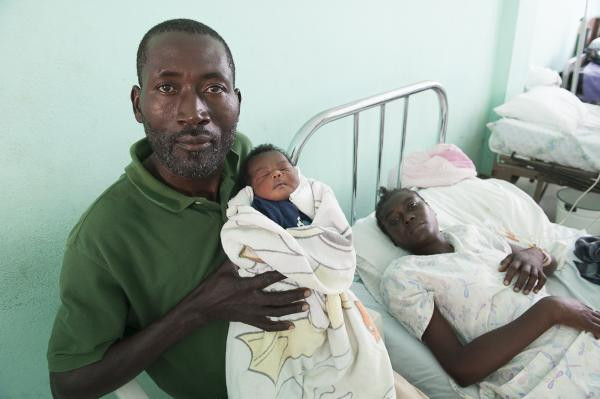
The first session of this course will define the postnatal period, review the significance of this time, and examine the specific vulnerabilities that mothers and newborns face in the postnatal period. It will also introduce the status of postnatal care coverage globally, major gaps and inequities that exist, and some of the global initiatives aimed at improving outcomes worldwide.
-
Students mustMark as done
-
-
This session emphasizes the importance of ongoing and tailored care and delves into the recommended sequence of postnatal care contacts, the qualifications of healthcare providers who provide postnatal care, and the opportunities of both facility-based care and community-based care.

-
Students mustMark as done
-
-
This session will cover the risks and needs of mothers during the postnatal period and the optimal services they should receive. Topics explored include: (a) routine essential postnatal care for every women, including respectful maternity care, clinical assessment of mothers, nutritional and psychosocial support, postnatal family planning to support healthy timing and spacing of pregnancies, health education and counseling, and (b) additional care for women with complications in the postnatal period, including postpartum hemorrhage and pre-eclampsia, and management of infection and thromboembolic disease.

-
Students mustMark as done
-
-
This fourth session discusses the perspective of the mother-baby pair as a unit and details the content of postnatal care for newborns, including clinical assessment, early newborn care and feeding, special considerations for small and sick newborns, and the importance of nurturing care to support early childhood development.

-
Students mustMark as done
-
-
This session investigates quality of care in postnatal services to help learners understand the definition of quality of care, factors that promote quality, models of care, and programming and policy implications related to improving quality.

-
Students mustMark as done
-
-
This session discusses how postnatal care is measured, including a review of key postnatal care indicators, common measurement tools, signal functions of postnatal care for mothers and newborns, and the research gaps that will further advance assessment of postnatal care.

-
Students mustMark as done
-
-
The two case studies in this session reflect on how India and several countries in Africa made significant progress in improving coverage and quality of postnatal care. These cases illustrate the lessons learned that may have programming and policy implications in other settings.

-
Students mustMark as done
-
-
-
Students mustReceive a gradeReceive a passing grade
Congratulations—you have nearly completed this course! The final exam will test your understanding of the material presented. If you score 80% or better on the exam, you will receive a printable certificate of completion.
The Learning Center will keep track of the courses that you successfully complete, which you can view in your Learner Home. If you do not score better than 80% on the final exam, we invite you to return to the course for further study, and then try the exam again. There is no limit to the number of times you can take the exam.
You should be able to complete the exam and final steps in less than 30 minutes.
-
-
 In this section, you can provide feedback about this course to help us make NextGenU.org better. Once evaluations are completed, you will be able to download your certificate of completion.
-
Students mustViewSubmit feedback
Your feedback is very valuable to us and can help us improve future courses. It should take you approximately 5 minutes to complete this evaluation.
Your responses will be kept confidential (i.e., individuals will not be identified), and may only be used for illustrative purposes in providing feedback for improvement on this or future eLearning courses.
-
-
